
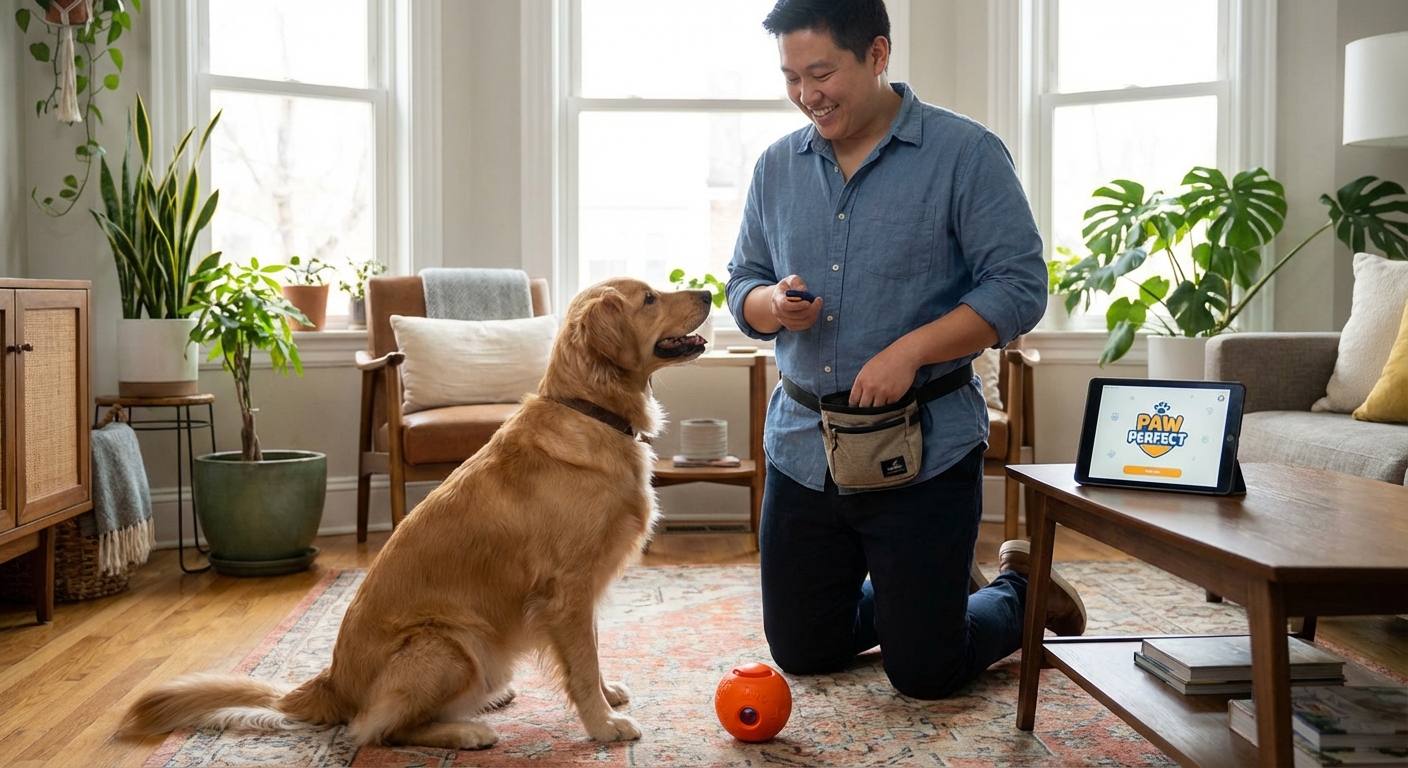
Good tools don’t replace training, but they can make it faster, clearer, and kinder—for you and your dog. With so many harnesses, leashes, gadgets, and toys on the market, it’s hard to know what’s truly helpful and what’s just clever marketing.
Why Your Training Gear Matters More Than You Think
This guide breaks down key categories of training gear, compares popular options, and offers vet- and trainer-backed insights for different breeds and lifestyles.
1. Collars and Harnesses: Safety First
Flat Collars
- Best use: ID tags, light leash walking for non-pullers.
- Pros: Simple, widely available, ideal for attaching identification.
- Cons: Can put pressure on the trachea, especially in small or brachycephalic breeds.
Not ideal for:
- Toy breeds (Yorkies, Pomeranians)
- Dogs prone to tracheal collapse or neck issues
Harnesses: Types Compared
- Front-Clip Harnesses (e.g., PetSafe Easy Walk, Ruffwear Front Range)
- Clip on the chest.
- Help reduce pulling by turning the dog toward you.
- Great for: Strong but social dogs like Labradors, Doodles, Boxers.
- Dual-Clip/Y-Front Harnesses (e.g., 2 Hounds Freedom, Balance Harness)
- Clips at chest and back; can use a double-ended leash.
- Even pressure distribution; good for deep-chested breeds.
- Great for: Greyhounds, Dobermans, Pointers.
Back-Clip Harnesses
- Comfortable and easy to put on. - Best for dogs who already walk nicely.
Vet-backed note: Harnesses are widely recommended over choke or prong collars to protect the neck and prevent pain-related behavior issues.
2. Leashes: Length and Material Matter
Standard Leashes (4–6 ft)
- Ideal for: Daily walks, city environments, basic training.
- Consider materials:
- Nylon: Affordable, durable, can cause leash burn if it slides fast.
- Biothane: Waterproof, easy to clean, great for rainy climates.
- Leather: Soft in hand, durable when cared for.
Long Lines (15–30 ft)
- Ideal for: Recall practice, sniffy walks, beach and field outings.
- Excellent for high-drive breeds (e.g., Huskies, Beagles, GSPs) who need more freedom but aren’t ready to be off-leash.
Retractable Leashes
- Pros: Allow more movement.
- Cons: Poor leash communication, can teach pulling, safety risks with thin cords.
Most trainers and many vets advise avoiding retractables for training and busy areas.
3. Reward Delivery: Treat Pouches, Clickers, and More
Treat Pouches
A good pouch makes reinforcement fast and easy.
Features to compare:
- Closure: Magnetic (quick), drawstring (secure), zippered (travel).
- Size: Enough for a session’s worth of small treats.
- Extras: Pockets for poop bags, clicker clips.
Popular styles:
- Silicone pouches: Easy to clean, great for moist treats.
- Fabric pouches: Lighter, often with more pockets.
Clickers vs. Marker Words
- Clicker: Precise, consistent sound, excellent for trick training and timing.
- Marker word: Always with you, good for casual training.
Many trainers use both—clickers for detailed learning, marker words for daily life.
4. Training Treats: Tasty, Tiny, and Tummy-Safe
What Makes a Good Training Treat?
- Small: Pea-sized or smaller for lots of reps.
- Soft: Quick to eat, no crumbs on the floor.
- Smelly: More motivating in distracting environments.
Commercial Training Treats vs. DIY
Commercial brands often offer:
- Calorie information per piece
- Limited-ingredient or hypoallergenic options
DIY options (vet-approved for most dogs):
- Boiled chicken breast pieces
- Low-fat cheese (in moderation)
- Freeze-dried meat
Breed and health insights:
- Labs, Beagles, Corgis are prone to weight gain—use part of their regular food as rewards and adjust meal portions.
- Dogs with allergies may need single-protein or vet-prescribed treats.
Always check with your veterinarian if your dog has GI issues, pancreatitis history, or food allergies.
5. Mental Enrichment: Toys That Help Training Stick
Training isn’t just about obedience; it’s about meeting your dog’s mental needs.
Food Puzzles and Slow Feeders
- Encourage problem-solving and natural foraging.
- Great for working and herding breeds that crave brain work.
Examples:
- Maze-style bowls (slows down eating)
- Puzzle toys with sliding compartments
- Snuffle mats (fabric strips where you hide kibble)
Chew Toys
Healthy chewing outlets can prevent destructive behavior.
- Rubber toys (e.g., Kongs): Stuff with food, freeze for longer use.
- Nylon chews: Choose appropriate hardness to avoid tooth fractures.
Vet tip: Avoid cooked bones and very hard chews (like some antlers) that can crack teeth, especially in strong-jawed breeds (Pit Bulls, Rottweilers).
Interactive Toys
- Flirt poles: Great for terriers and sighthounds who love to chase.
- Tug toys: Excellent reinforcement for many working breeds.
Use them as rewards in training: a quick tug game after a great recall.
6. Tech for Training: Helpful or Hype?
Pet Cameras and Remote Treat Dispensers
Useful for:
- Monitoring alone-time behavior
- Practicing “settle” or calmness from a distance
Not a substitute for:
- In-person training
- Addressing serious separation anxiety (often needs vet and behaviorist support)
GPS Collars and Trackers
Great for:
- Escape artists and off-leash hiking in safe areas
- Peace of mind with northern or hunting breeds
Remember: Technology is backup, not a replacement for recall training and secure fencing.
Training Apps and Online Courses
Can provide:
- Structured lesson plans
- Video demos
Look for programs created by credentialed trainers or veterinary behaviorists using force-free methods.
7. What About “Quick Fix” Tools? (Shock, Spray, and More)
You’ll see devices marketed as easy solutions: shock collars, citronella or air-spray collars, ultrasonic “bark stoppers.”
Most veterinary behavior organizations caution against these tools because they:
- Rely on fear or pain
- Don’t address the cause of behavior
- Risk worsening anxiety or aggression
For barking, lunging, or serious behavior concerns, invest in:
- A veterinary exam to rule out pain/medical issues
- A force-free trainer or veterinary behaviorist to create a tailored plan
8. Breed and Lifestyle Gear Pairings
Apartment-Dwelling with a Small Dog (Cavalier, Frenchie, Pug)
- Harness over collar for airways.
- Short leash (4–6 ft) for tight sidewalks.
- Snuffle mats and puzzle toys for indoor enrichment.
Suburban Family with a Medium/High-Energy Dog (Lab, Goldendoodle, Aussie)
- Front-clip or dual-clip harness for pulling.
- Long line for safe park play.
- Treat pouch for daily manners training.
- Durable food puzzles for rainy days.
Active Owner with a Working or Herding Breed (GSD, Malinois, Border Collie)
- High-quality Y-front harness for hiking and sports.
- Biothane long line for reliable outdoor recall practice.
- Flirt pole, tug, and puzzle toys to meet intense mental/physical needs.
9. How to Build a Starter Training Kit (On Any Budget)
Budget-Friendly Essentials
- Flat collar + basic harness
- 6 ft nylon leash
- Small resealable bag for treats
- Home-made snuffle mat (fleece strips on a rubber mat)
Mid-Range Kit
- Front-clip harness
- Comfortable leash (biothane or leather)
- Clicker + dedicated treat pouch
- One puzzle toy and a stuffable chew toy
Premium Setup
- Custom-fit dual-clip harness
- Multiple leashes (standard + long line)
- High-quality puzzle toys assortment
- GPS tracker for off-leash adventures
Final Thoughts: Tools Support Training—They Don’t Replace It
The best gear for your dog is:
- Safe and comfortable for their size, breed, and health
- Easy and pleasant for you to use
- Compatible with positive, science-based training
Start with a solid foundation—harness, leash, rewards—and layer in enrichment toys and tech as needed. With the right tools and consistent, kind training, you’ll set your dog up for success in the modern world, one walk, one treat, and one toy at a time.