
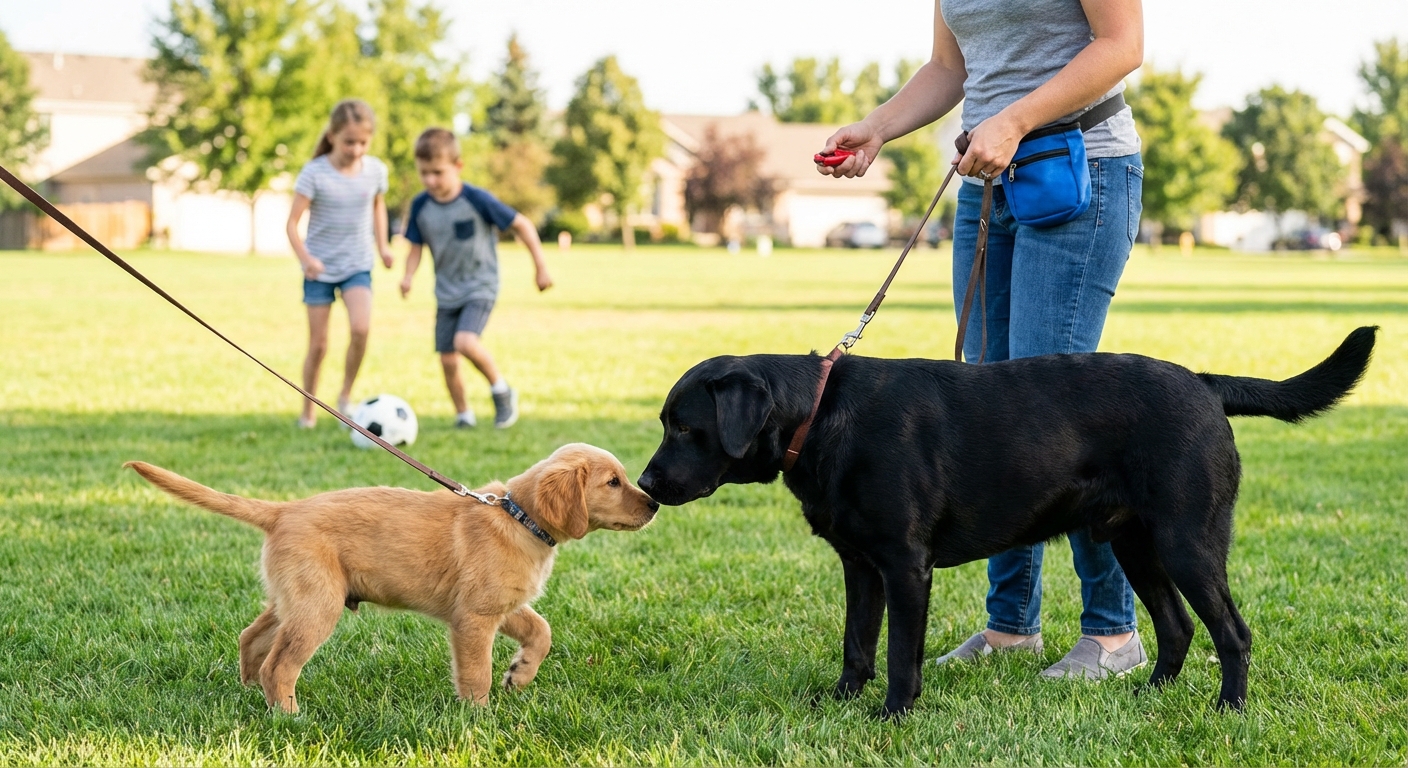
The early weeks with a new puppy—or newly adopted adult dog—set the tone for the rest of their life. Socialization and training during this window don’t just create a polite pet. They help prevent behavior problems like fear, reactivity, and anxiety that can show up months or years later.
Why the First Few Months Matter So Much
Veterinary behaviorists call this the “critical socialization period” for puppies: roughly 3–16 weeks of age. But even if your dog is older, a structured, gentle plan can dramatically improve confidence and manners.
This guide gives you a practical week-by-week roadmap you can adapt to your dog’s age, breed, and background.
Before You Start: Health and Safety
Talk to Your Veterinarian First
Ask your vet about:
- Vaccination schedule and safe places to socialize
- Breed-specific health concerns during exercise (hip issues, breathing problems)
- Appropriate treats for your dog’s size and stomach
Most modern veterinary guidelines encourage controlled, well-managed socialization before vaccines are fully complete (avoiding dog parks, unknown dogs, and high-risk areas).
Gear Checklist
- Flat collar and well-fitted harness
- 4–6 foot leash
- High-value treats (soft, pea-sized)
- Baby gates or exercise pen
- Crate or safe confinement space
- Chew toys and food puzzles
Week 1: Settling In and Building Trust
Whether you have an 8-week-old puppy or a 3-year-old rescue, week one is about safety and predictability.
Goals
- Establish a routine: meals, potty breaks, play, rest.
- Introduce the crate or safe area as a happy spot.
- Teach simple name recognition.
Daily Activities
Name Game
- Say your dog’s name once. - When they glance at you, mark (“Yes!”) and treat. - Repeat 10–20 times throughout the day.
Crate = Cookie Zone
- Toss treats into the crate; let your dog go in and out freely. - Feed a few meals in the crate with the door open, then briefly closed.
Gentle Handling
- Pair touching paws, ears, tail with treats. - Especially important for grooming-needy breeds (Poodles, Doodles, Spaniels).
Breed Insight: Nervous vs. Bold
- Guardian breeds (Great Pyrenees, Anatolian Shepherds) and many rescues may be reserved. Let them approach you; avoid overwhelming.
- Retrievers and many toy breeds may bounce into your lap day one. Still provide calm structure—excessive excitement now can become demand behavior later.
Week 2: Potty Training, Alone Time, and Simple Cues
Potty Training Basics
For puppies, the schedule is:
- After waking up
- After eating or drinking
- After play
- Every 1–2 hours as they develop
Take them to the same spot, praise and treat immediately after they finish.
Small breeds (Chihuahuas, Toy Poodles) often have tiny bladders—expect slower progress.
Alone-Time Training (Prevents Separation Issues)
- Start with very short absences (30–60 seconds) while you’re still in the house.
- Give a stuffed Kong or chew in their crate or pen.
- Gradually increase duration; avoid making departures or arrivals dramatic.
First Cues: Sit and Come
- Teach sit by luring the nose up, letting the back end drop, then marking and rewarding.
- Start recall indoors with short distances and a cheerful voice.
Weeks 3–4: Safe Socialization and Real-World Sounds
This is prime time for puppies, and still very helpful for older dogs.
People and Dogs
Goal: Your dog learns that new doesn’t mean scary.
Introduce (at a comfortable distance):
- Adults of different ages and ethnicities
- Children (with supervision and consent)
- Calm, vaccinated, friendly dogs you know
Avoid dog parks. They can be overwhelming and risky for disease.
Surfaces and Environments
Expose your dog gradually to:
- Grass, gravel, dirt, carpet, tile, hardwood
- Stairs and ramps (careful with large-breed puppies and joint stress)
- Car rides (short and fun)
Sounds (Great for Sound-Sensitive Breeds)
For breeds like Border Collies, Shelties, and many hounds, noise sensitivity is common.
- Play low-volume sounds (thunder, fireworks, traffic) from YouTube or apps.
- Pair with treats and play.
- Slowly increase volume over days if your dog remains relaxed.
Weeks 5–6: Leash Skills and Manners at Home
Loose-Leash Foundations
- Practice walking indoors with treats at your side.
- Reward your dog for staying near you.
- Start very short outdoor walks in quiet areas.
House Manners
Work on:
- “Off” or “Four on the floor” instead of jumping.
- “Leave it” for dropped food or tempting objects.
- “Drop it” for safe object exchange.
Breed insight:
- Terriers (Jack Russells, Cairn Terriers) are natural grab-and-run pros. Practice “drop it” as a fun game early.
- Scent hounds benefit hugely from strong “leave it” and recall training.
Weeks 7–8: Public Spaces and Distraction Training
If your vet gives the okay, begin exploring more of the world.
Low-Stress Field Trips
- Pet-friendly stores
- Outdoor café patios
- Quiet parks (not dog parks)
Keep sessions short (10–20 minutes) and bring top-tier treats.
Practice:
- Sits at doorways and crosswalks
- Check-ins (your dog looking back at you)
- Settling on a mat next to your chair
Breed-Specific Workouts
- High-energy herding or working breeds (Aussies, Malinois): Short obedience sessions plus puzzle feeders and fetch.
- Brachycephalic breeds (Frenchies, Bulldogs): Avoid overexertion; choose cooler times of day and watch for overheating.
What If My Dog Is Older or Missed Socialization?
Many adolescent and adult dogs come to us with gaps—especially rescues or puppies raised during busy life periods.
You can still:
- Use gradual exposure: stay below fear thresholds.
- Pair new things with good stuff (treats, play, distance).
- Work at a pace where your dog can still eat and respond.
For dogs showing panic, shutdown, or aggression, get help from a force-free trainer or veterinary behaviorist. They can build a customized desensitization and counter-conditioning plan.
Simple Weekly Tracking Template
Each week, jot down:
- New things seen: people, places, sounds
- Skills practiced: sit, down, recall, leash walking
- Reactions: relaxed, curious, wary, scared
- Goals for next week
This helps you notice patterns—like fear of tall men, loud trucks, or other dogs—early.
Red Flags: When to Pause and Rethink
Stop and consult your vet or a behavior pro if you see:
- Growling, lip lifting, snapping
- Consistent cowering, hiding, or shaking
- Sudden behavior change after an event (e.g., fireworks, rough handling)
Pushing a terrified dog to “get over it” can make things worse. Instead, move further away, lower intensity, and rebuild trust.
From Puppy to Polished Companion
In just a couple of months of thoughtful, consistent work, you can:
- Prevent many common behavior problems
- Raise a dog who’s confident in new situations
- Build a communication system that lasts a lifetime
You don’t need perfection. Aim for progress: a slightly calmer walk, a more confident greeting, a faster response to their name. Those small wins add up to the well-adjusted, happy dog you pictured the day you brought them home.