
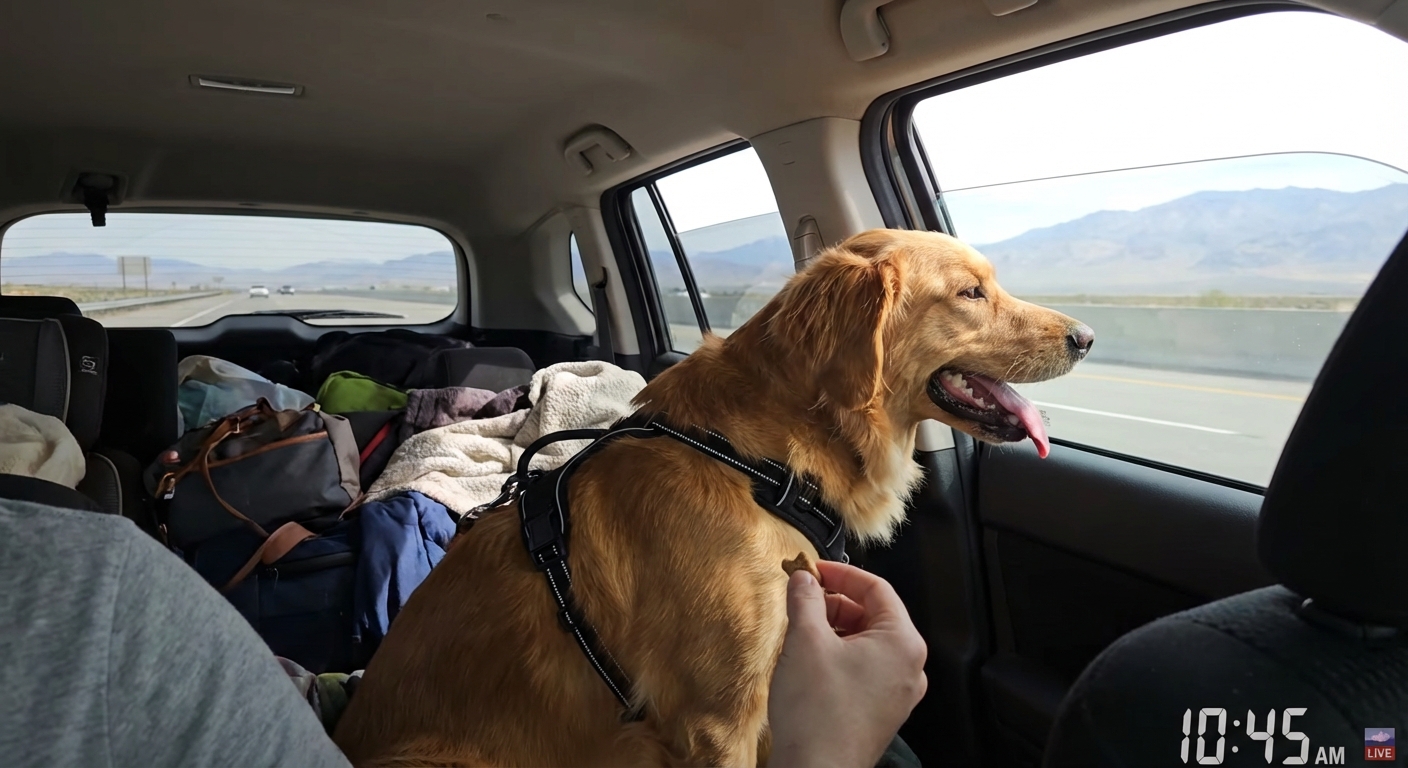
For many dogs, the car is the gateway to adventure: parks, trails, beaches, and visits with favorite humans. Road trips can be one of the safest and most flexible ways to travel with your dog—if you plan them thoughtfully.
Why Dogs and Road Trips Are a Perfect Match
Below are 21 veterinarian- and trainer-approved tips, with breed-specific insights and product comparisons to help you hit the road like a pro.
1. Choose the Right Restraint System
Unrestrained dogs become dangerous projectiles in sudden stops and crashes.
Best options:
- Crash-tested harnesses (for most medium–large dogs)
- Crash-tested crates (for dogs that love dens or are escape artists)
- Crash-tested carriers (for small and toy breeds)
Product Snapshot
- Sleepypod Clickit Sport or Terrain: Crash-tested harnesses with multi-point seat-belt attachment. Excellent for Labs, Goldens, shepherds.
- Ruffwear Load Up: Built for car travel, strong hardware and simple design.
- Gunner Kennels G1 or Variocage: Premium crash-tested crates; ideal for working breeds, escape-prone dogs, and long trips.
Small breeds (Yorkies, Maltese, Chihuahuas) often do best in crash-tested carriers secured with a seat belt rather than being strapped directly into a harness that might not fit their frames well.
2. Introduce the Car Gradually
If your dog is new to car rides or gets carsick:
- Let them explore the parked car with the engine off, rewarding calm sniffing.
- Move to very short drives (2–5 minutes) ending with something fun (play, treats).
- Build up to longer rides only after they’re relaxed.
Working and herding breeds (Border Collies, Aussies, Malinois) may get overstimulated by movement and scenery; practice calm mat work in the car and use window shades to reduce visual triggers.
3. Manage Car Sickness
Common in puppies and some breeds (Cavalier King Charles Spaniels, Greyhounds, sighthounds).
Signs: drooling, lip licking, whining, vomiting, reluctance to get in the car.
What helps:
- Avoid big meals for 3–4 hours before travel.
- Use a raised booster seat for small dogs so they can see out the window.
- Offer cool, fresh air (slightly open windows or good A/C).
- Ask your vet about anti-nausea meds like maropitant for severe cases.
4. Plan Dog‑Friendly Routes
Use apps and sites (BringFido, AllTrails, Google Maps) to map out:
- Pet-friendly hotels or vacation rentals
- Rest stops with grassy areas
- Dog parks or trails for longer breaks
Aim for a 10–15 minute break every 2–3 hours, more often for puppies and seniors.
5. Pack a Dedicated Dog Travel Kit
Include:
- Food + collapsible bowls
- Bottled or filtered water (sudden water changes can upset stomachs)
- Medications and supplements
- Leash, harness, and backup ID tags
- Waste bags and unscented wipes
- Towels or a foldable blanket
- Tick removal tool
- Basic first-aid kit (bandages, antiseptic, vet wrap)
Hounds and long-coated breeds (Beagles, Goldens, Newfoundlands) benefit from extra grooming wipes and towels for drool and mud.
6. Keep IDs and Microchips Updated
If your dog slips a collar at a rest area, up-to-date ID is your lifeline.
- Ensure microchip registration has your current phone and email.
- Use a legible ID tag (consider QR-code tags for fast contact sharing).
- For nervous or newly adopted dogs, consider GPS trackers (Fi, Whistle, Tractive).
7. Nail Pre‑Trip Vet Prep
Schedule a checkup if your dog:
- Has heart, lung, or mobility issues
- Is a flat-faced breed (Pugs, Frenchies, Bulldogs) prone to overheating
- Is a senior or on multiple meds
Ask about:
- Travel anxiety strategies (behavior + medication options)
- Parasite prevention suited to your route (ticks, heartworm)
- Vaccines needed for new regions (e.g., Lyme in tick-heavy areas)
8. Beat the Heat (and Cold)
Dogs overheat faster than humans, especially brachycephalic breeds and double-coated dogs (Huskies, Malamutes, Shepherds).
Summer rules:
- Never leave your dog in a parked car, even with cracked windows.
- Use sunshades and portable fans.
- Pack a cooling vest or mat for heat-sensitive breeds.
- Drive in mornings or evenings when possible.
Winter rules:
- Keep blankets ready for thin-coated breeds (Whippets, Greyhounds, Pitties).
- Limit time on salted sidewalks; use paw balm or boots for sensitive dogs.
9. Create a Calm Den in the Car
Most dogs travel best in a predictable spot with familiar smells.
- Lay a blanket or bed that smells like home.
- Use Adaptil spray (a dog-appeasing pheromone) on bedding 15 minutes before departure.
- Play soft music or white noise for sound-sensitive breeds.
Guardians of guardian breeds (Rottweilers, Dobermans, some livestock guardian dogs) should seat them away from windows that face strangers to avoid territorial barking or lunging at gas stations.
10. Mind the Windows
Dogs hanging out of windows are cute—and dangerous.
- Flying debris can injure eyes and ears.
- A sudden stop or swerve can send your dog flying.
Instead, crack the window for fresh air while they remain crated or harnessed.
11. Set a Feeding Schedule
To minimize messes:
- Feed small, regular meals instead of one large one.
- Keep the same food brand to avoid digestive upset.
- Offer water at each break rather than a constantly full bowl in the car.
Large deep-chested breeds (Great Danes, Weimaraners, Standard Poodles, GSDs) are more prone to bloat (GDV). Avoid heavy meals before driving, and wait 30–60 minutes after eating before vigorous exercise.
12. Use the Right Chews and Toys
Skip hard bones or rawhides in a moving car—they can become choking hazards.
Safer options:
- Stuffed Kongs (freeze for longer lasting distractions)
- Soft rubber toys
- Lick mats used during breaks
Eager power chewers (Pit Bulls, Staffies, Rotties) need durable rubber toys (West Paw, Kong Extreme) to avoid shredded pieces.
13. Build in Exercise Stops
A tired dog is a relaxed passenger.
- Short sniffy walks are surprisingly effective at reducing stress.
- For herding and working breeds, use rest stops for structured games: short training sessions, tug, fetch in safe fenced areas.
Avoid off-leash time near highways or busy roads, even if your dog usually has perfect recall.
14. Protect Your Car Interior
Practical and sanity-saving:
- Seat covers (4Knines, Kurgo) protect against fur and mud.
- Portable handheld vacuums are great for long trips.
- Keep a towel near the door for rainy-day wipe downs.
Heavy shedders (Huskies, German Shepherds, Labs) in peak shedding season will quickly test your gear; choose waterproof and machine-washable covers.
15. Respect Your Dog’s Social Style
Your dog doesn’t become a different personality just because you’re traveling.
- Social butterflies (Goldens, many doodles) may enjoy dog-friendly patio stops.
- Reserved or reactive dogs (some shepherds, terriers, and rescues) may prefer quiet picnic spots or walks on lesser-used trails.
Plan activities that match your dog—not someone else’s Instagram.
16. Practice Hotel and Rental Etiquette
Before the trip:
- Train a solid "settle" on a mat.
- Work on "quiet" and reward calm when people walk by your door.
On the road:
- Bring a folding crate or pen for dogs who might chew or door-dash.
- Use white-noise apps to mask hallway sounds.
High-alert breeds (schnauzers, some shepherds and terriers) often benefit from rooms away from elevators and high-traffic areas.
17. Keep Routine Where You Can
Travel is easier on dogs when some things stay the same:
- Same food, bowls and bedtime ritual
- Familiar toys and bedding
- Same commands and rules (no couch at home? Same on vacation.)
18. Prepare for Emergencies
Research vet clinics along your route and near your destination.
Keep digital or printed copies of:
- Vaccination history
- Recent lab work for dogs with chronic conditions
- Current medication list and dosages
Working and sporting dogs, or any dog hiking rough terrain, may benefit from booties and a paw-care kit.
19. Manage Multi‑Dog Dynamics
Traveling with a pack? Consider:
- Separate crates or spaces to prevent resource guarding.
- Individual water bowls to track intake.
- Rotating one-on-one walks so each dog gets decompression time.
Sibling pairs and same-age adolescent dogs (any breed) may need extra structure to avoid amped-up wrestling in hotel rooms.
20. Use Tech Wisely
Handy tools:
- GPS trackers for exploring new areas
- Pet cameras in RVs or when leaving dogs briefly in safe, climate-controlled spaces
- Notes apps for tracking meds and bathroom breaks on longer journeys
21. Enjoy the Journey, Not Just the Destination
The best road trips weave your dog into the experience:
- Dog-friendly beaches for retrievers and water-loving breeds
- Easy shaded trails for short-nosed breeds
- Sniff-heavy urban walks for scent hounds
When you factor in your dog’s breed, personality and health—and choose the right gear and schedule—car travel can become one of your favorite shared rituals.
Buckle up, pack the treats, and let the adventures begin.