
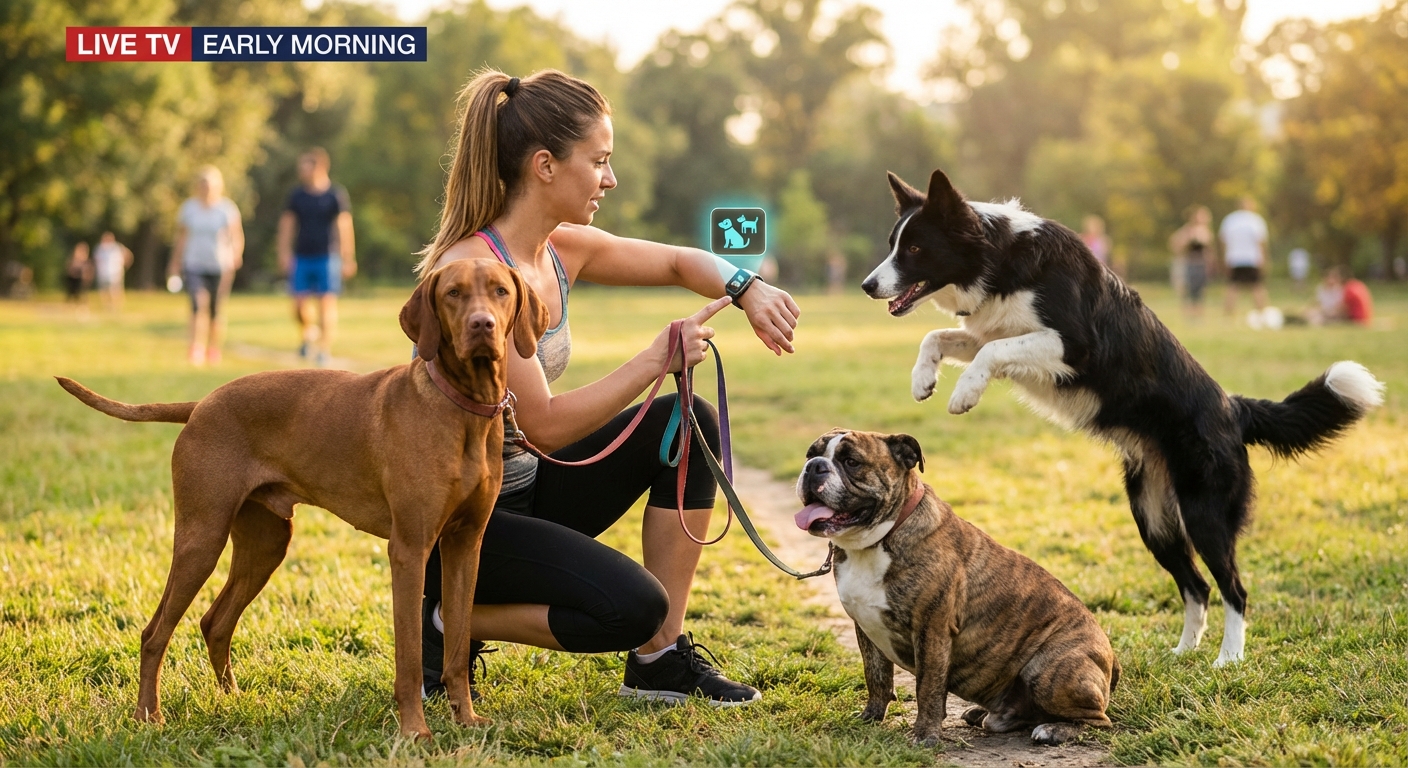
Dreaming of a dog who’ll actually pull you out the door for a run—not drag you back to the couch? The right breed can make running safer and more enjoyable for both of you. The wrong match can lead to frustration, injuries, or a very bored dog.
Introduction
This guide compares popular running-friendly breeds—like Border Collies, Vizslas, and mixed-breed athletes—while also covering crucial vet-backed safety tips, gear comparisons, and training advice.
What Makes a Good Running Dog?
A great canine running buddy typically has:
- Moderate to large size with sound structure
- Athletic build and healthy joints
- Stamina appropriate to your distance and pace
- Stable temperament and trainability
Your own running style matters too. A marathoner has different needs than a 5K weekend jogger.
Breed Comparisons: Popular Running Partners
Border Collie
- Best for: Interval runs, trail runs, moderate distances with lots of mental stimulation
- Pros: Extremely athletic and intelligent; thrives on structured work
- Cons: Needs a lot of mental and physical work beyond running; not ideal if you only want to jog a few times per week
Border Collies can run, but they also need herding outlets, training games, or sports like agility.
Vizsla
- Best for: Longer, steady-distance road or trail runs
- Pros: Endurance athletes, affectionate, often attach closely to their person
- Cons: Sensitive, can struggle with long workdays alone; needs warmth in cold weather due to short coat
Many serious runners love Vizslas for their shared love of distance and speed.
Labrador Retriever
- Best for: Moderate-distance runs and jogging, particularly once mature
- Pros: Versatile, generally social, eager to please
- Cons: Prone to joint issues and obesity; careful conditioning and weight control are essential
Labs do well as running companions if their joints are healthy and they’re kept lean and fit.
German Shorthaired Pointer (GSP)
- Best for: High-energy, long-distance running and canicross
- Pros: Strong endurance, athleticism, and drive
- Cons: Can be too much dog for low-activity homes; will invent jobs (like escaping) if under-exercised
Mixed-Breed Athletes
- Best for: Most running styles, depending on individual build and health
- Pros: Often great temperaments and solid health; shelters are full of medium-sized mixes perfect for active homes
- Cons: Less predictability in speed and stamina; you learn as you go
Veterinary-backed tip: Structure (leg length, chest size, joint angles) matters more than pedigree for running suitability. Your vet can help assess an individual dog.
Breeds That Aren’t Ideal for Running
While any healthy dog can enjoy short, easy jogs, some are not built for consistent running:
- Brachycephalic (short-nosed) breeds: Bulldogs, Pugs, Frenchies, many Shih Tzus
- Giant breeds with heavy builds: Great Danes, Mastiffs, Newfoundlands
- Toy breeds with delicate frames: Chihuahuas, many toy Poodles (though some enjoy short jogs)
These dogs often overheat quickly or face higher orthopedic risks with repetitive impact.
Age and Conditioning: When Can You Start Running Together?
Puppies and Adolescents
Running serious distances with a growing puppy can damage developing joints.
General guidelines (always check with your vet):
- Under 12–15 months (up to 18–24 months for large breeds):
- Focus on free play, short training sessions, and gentle walks.
- Avoid repetitive high-impact running on hard surfaces.
Adults
Once your vet clears your dog for running:
- Start slow. Just like you would: begin with walk–run intervals.
- Build gradually. Increase total time/distance by about 10% per week.
- Watch for fatigue: lagging behind, excessive panting, sore muscles the next day.
Senior dogs can still jog lightly if joints and heart are healthy—but check with your vet first and keep distances modest.
Safety and Health Considerations
Heat and Weather
Dogs do not cool as efficiently as humans. Risk of heatstroke is real.
- Avoid midday runs in warm seasons; aim for early morning/evening.
- Use the 5-second rule on pavement: if it’s too hot for your hand, it’s too hot for paws.
- Short-coated breeds may need coats in cold weather; all breeds benefit from paw checks for ice and salt.
Joint and Paw Care
- Run mostly on softer surfaces (trails, grass) rather than concrete when possible.
- Check paws post-run for cuts, foxtails, or worn pads.
- Maintain a healthy weight to reduce joint stress.
Veterinary-backed tip: Annual or biannual wellness exams are crucial for canine runners to catch early arthritis, heart murmurs, or respiratory issues.
Gear Comparison: What Runners Actually Use
Leashes and Harnesses
- Hands-free running belt + bungee leash:
- Pros: Better running form, shock absorption
- Cons: Requires solid leash manners
- Front-clip harness:
- Pros: Helps reduce pulling, protects neck
- Cons: May twist on very strong pullers if poorly fitted
Collars vs Harnesses
For running, harnesses are generally preferred to avoid neck strain, especially if your dog occasionally lunges or pulls.
Additional Gear
- Collapsible water bowl and portable water bottle on longer runs
- Reflective gear or LED lights for early/late runs
- Booties for rough terrain or extreme heat/cold (train your dog to wear them gradually)
Invest in high-quality gear rated specifically for running or canicross; flimsy leashes and harnesses are more likely to fail under load.
Training Your Dog to Be a Great Running Partner
Step 1: Master Basic Obedience
Before serious running, your dog should be reliable with:
- Name response
- Loose-leash walking
- “Leave it” (for squirrels, food, trash)
- “Heel” or “with me” for focused stretches
Step 2: Introduce Running Cues
- Use a consistent cue like “Let’s run!” or “Go” to signal the start.
- Practice short trot intervals, rewarding your dog for staying by your side.
- Use “Easy” or “Slow” when you shorten your stride.
Step 3: Distraction-Proofing
Work near mild distractions first, gradually building up to busier routes. Reward heavily for ignoring:
- Other dogs and people
- Wildlife
- Smells and roadside food
Positive reinforcement-based training is especially important with high-drive breeds like Border Collies and GSPs.
Matching Breed to Runner Type: Quick Guide
- The Daily 5–10K Runner (Moderate Pace):
- Great fits: Labrador Retriever, mixed-breed herding or sporting dogs, some Standard Poodles
- The Trail Adventurer:
- Great fits: Border Collie, Australian Shepherd, GSP, mixes with agile builds
- Priorities: Agility, good off-road footwork, recall training
- The Half/Full Marathoner (Cool Climates):
- Great fits: Vizsla, GSP, some lean mixed breeds
- Priorities: Endurance conditioning, heat management, regular vet checks
- The Casual 2–3 Mile Jogger:
- Great fits: Many medium mixed breeds, smaller athletic breeds like some Cocker Spaniels, Beagles, or Whippets
- Priorities: Building distance slowly and focusing on loose-leash skills
Shelter and Rescue Dogs as Running Partners
You don’t need a purebred to get a stellar running buddy.
When visiting shelters or rescues, ask:
- Which dogs love fetch and active play?
- Who seems to have good leash manners or trainability?
- Can staff or foster homes describe the dog’s stamina on walks?
Then, take promising candidates on a test walk or jog (if allowed) and follow up with a vet exam once adopted to map out a safe run plan.
Final Thoughts
Choosing a running-friendly dog is about matching energy, structure, and temperament to your actual habits—not your idealized future routine.
- High-drive herding or sporting breeds are incredible partners for serious, consistent runners.
- Many mixed breeds from shelters can make outstanding joggers with a bit of training.
- Vet input is crucial at every stage: from initial selection to conditioning and ongoing health checks.
With thoughtful planning, the right gear, and patient training, your dog can become your favorite training partner—and your most enthusiastic fan at the finish line.