
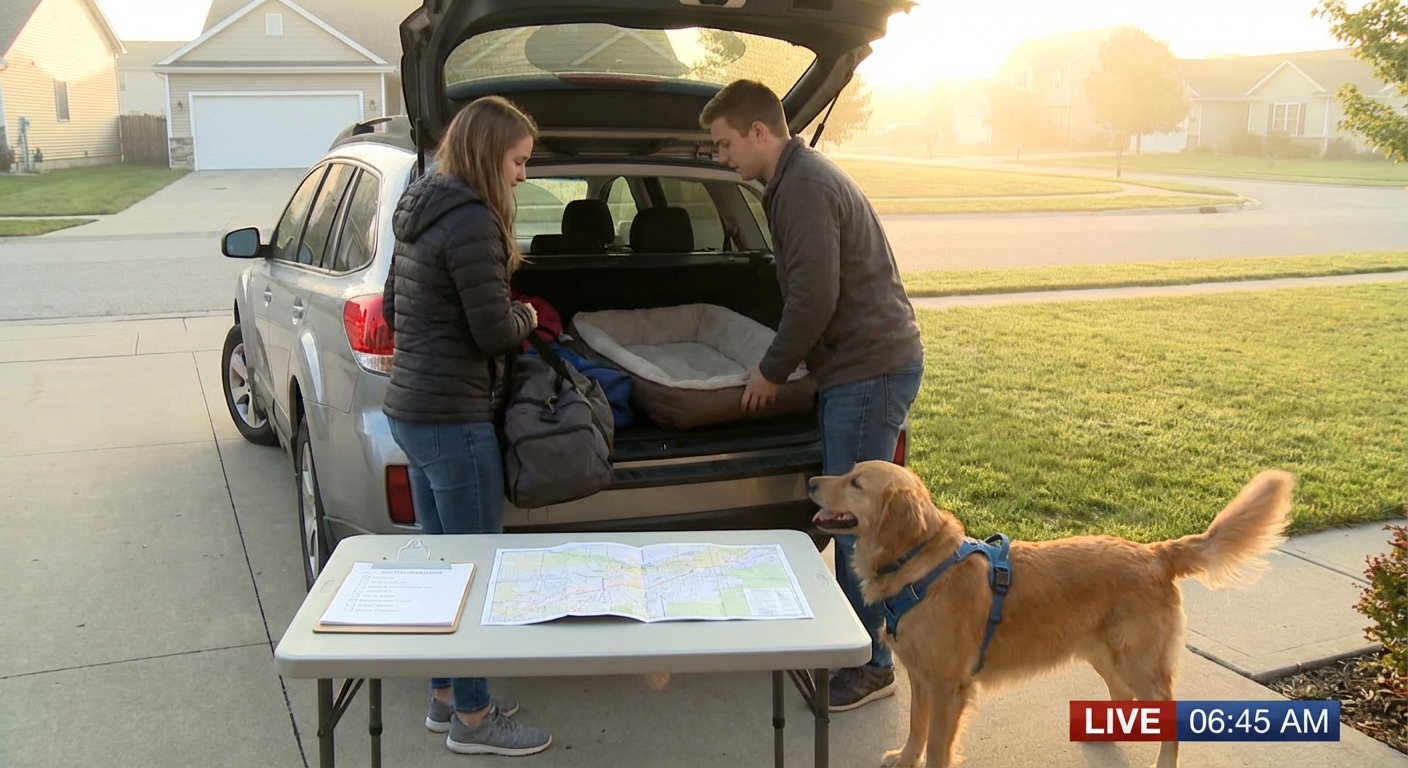
If you’ve never traveled with your dog before, the idea can feel massive: paperwork, packing, training, finding dog-friendly everything. But when you break it into small steps over a few weeks, it becomes manageable—and honestly, fun.
Overview: Turning "Someday" Into a Solid Plan
This planner walks you through your first trip together from 30 days before departure to the day you get home, with breed-specific notes and practical, vet-backed advice.
Use the timeline as a template and adjust for your own schedule and destination.
30–21 Days Before Departure: Big-Picture Decisions
1. Decide If Your Dog Is Ready to Travel
Consider:
- Health: Chronic disease, recent surgery, or mobility issues
- Temperament: Fearful, reactive, or aggressive behavior
- Age: Very young puppies or frail seniors
Breed flags:
- Brachycephalic breeds (Pugs, Frenchies, Bulldogs) need extra care in heat and on flights.
- Giant breeds may struggle with cramped spaces and long periods lying on hard surfaces.
If you’re unsure, book a quick vet consult to assess travel readiness.
2. Choose Your Destination and Transport
For a first trip, aim for:
- Driving distance within 4–8 hours, or
- A short, nonstop flight with in-cabin pet options.
Look for destinations with:
- Dog-friendly lodging
- Accessible green spaces
- Vet clinics within a reasonable radius
21–14 Days Before: Vet, Training, and Bookings
3. Schedule or Complete Vet Visit
Ask your vet about:
- Required vaccinations and parasite prevention based on your destination
- Health certificate if flying or crossing borders
- Motion sickness or anxiety meds if your dog struggles in cars or new environments
Bring:
- Questions about exercise limits for your dog’s age and breed
- A list of planned activities (hiking, swimming, city walking) for tailored advice
4. Book Dog-Friendly Stays
When choosing a hotel or rental, look for:
- Clear pet policy (size, fees, where dogs can go)
- Ground-floor rooms for easier bathroom trips
- Nearby parks or walking paths
For bark-prone breeds (schnauzers, some terriers, herding dogs), request rooms away from elevators or busy streets when possible.
5. Start Crate/Carrier and Harness Training
Begin short, positive sessions:
- Feed meals in the crate or carrier.
- Put on the harness before play or walks to build a good association.
- Practice settling on a mat—this skill is gold in hotels and patios.
14–7 Days Before: Gear and Routine Practice
6. Build Your Gear List
Must-haves for all dogs:
- Food + collapsible bowls
- Water from home (or a plan to transition gradually)
- Leash, harness, and collar with ID tags
- Current photo of your dog
- Bed or blanket from home
- Medications and supplements
- Vet records (digital copies on your phone are handy)
Breed-specific add-ons:
- Short-nosed breeds: cooling vest, portable fan
- Long-backed breeds (Dachshund, Corgi): ramp or steps, harness that supports chest
- Water dogs (Labs, Goldens): extra towels, ear cleaner, life jacket for boats
- Thin-coated breeds (Greyhounds, Pit Bulls): sweater or jacket, paw balm
7. Test and Adjust Gear
Take mini trips:
- Short car rides with the crate, carrier, or harness you’ll use.
- Quick walks using any new boots, jackets, or backpacks.
Goal: Discover any rubbing, chafing, or stress responses before the big day.
7–3 Days Before: Fine-Tuning and Packing
8. Confirm All Reservations and Rules
- Recheck airline pet policies or hotel pet rules.
- Verify check-in times so you can plan dog breaks around them.
- Identify local vets and emergency hospitals at your destination.
9. Pack Your Dog’s Travel Bag
Include:
- Food for the whole trip + 1–2 days extra
- Treats (high and medium value)
- Poop bags, wipes, and a small spray cleaner
- First-aid items (bandages, antiseptic, tick remover)
- Toys: one comfort toy, one chew, one interactive/puzzle item
Tip for anxious dogs: Bring a recently worn T-shirt or pillowcase with your scent for their bed.
Travel Day: Keeping It Calm and Predictable
10. Morning-of Routine
- Offer a smaller breakfast than usual, especially if car or motion sickness is an issue.
- Take a longer, sniffy walk to burn off mental and physical energy.
- Double-check ID tags, harness fit, and your packed supplies.
11. In the Car
- Secure your dog using a crash-tested harness or a properly anchored crate.
- For nervous or motion-sensitive dogs, play calm music and avoid very winding roads when possible.
- Take breaks every 2–3 hours for bathrooms, water, and stretching.
Breed note: Senior dogs and giant breeds benefit from more frequent, shorter walks to keep joints from stiffening.
12. On a Plane
For in-cabin dogs:
- Arrive early to handle pet relief areas and security without rushing.
- Keep a calm, matter-of-fact energy—your dog will mirror you.
- Offer a chew or stuffed Kong for takeoff and landing if your dog is used to them.
For cargo travel (when absolutely necessary):
- Use an IATA-compliant crate with absorbent bedding and water.
- Attach clear ID, feeding instructions, and a photo of your dog.
- Confirm with staff that your dog is loaded before takeoff.
At Your Destination: First 24 Hours
13. Explore the Room Together
- Let your dog sniff the space calmly.
- Set up their bed, water, and crate in a low-traffic corner.
- Show them where the door is and practice going in and out on leash.
14. Establish a Bathroom Routine Quickly
- Take them to the same potty spot initially if possible.
- Reward generously for going in the right place.
For apartment-style or city stays, plan extra time for elevator or stair trips. Some dogs (especially suburban or rural) may need several tries to go in a new environment.
15. Keep Day One Low-Key
Save long hikes or crowded attractions for later. Start with:
- Walks near your lodging
- A quiet café patio
- A relaxed play session in a nearby park
High-energy or social breeds may want to dive into everything—but giving them time to decompress reduces over-arousal and the risk of meltdowns later.
Days 2–5: Settling Into a Rhythm
16. Maintain Familiar Anchors
Keep some things the same:
- Morning and evening walk patterns
- Feeding times
- Training cues and rules
Dogs—especially sensitive or anxious breeds—find comfort in predictable routines.
17. Tailor Activities to Your Dog
A few examples:
- Hiking with a herder (Aussie, Border Collie): Bring a long line, lots of water, and enforce breaks; watch for obsessive chasing.
- Beach days with a retriever: Rotate swimming with rest in the shade; rinse salt off coats and use ear cleaner after.
- City exploring with a small dog: Use a carrier in dense crowds; choose quieter side streets for walks.
Watch your dog’s body language—yawning, lip licking, persistent pulling back, or refusal to eat treats can mean they need a break.
Heading Home: Travel Day #2
18. Repeat What Worked the First Time
- Similar feeding schedule (light meals before long travel).
- Exercise before departure.
- Regular bathroom breaks.
If your dog struggled with any part of the first travel day, adjust:
- Add an extra stop on the road.
- Use a covered crate for anxious car riders.
- Ask your vet (ahead of time) about adjusting meds if needed.
After You’re Home: Debrief and Reward
19. Watch for Delayed Stress
Some dogs seem fine during travel but show stress later:
- Loose stools
- Clinginess or unusual reactivity
- Extra fatigue
Give them 24–72 hours of familiar routine, gentle exercise, and extra rest.
If symptoms persist or your dog seems unwell, consult your vet.
20. Make Notes for Next Time
Ask yourself:
- What gear worked well? What didn’t get used?
- Which parts stressed my dog most? Which did they love?
- Would I change the destination, lodging, or mode of travel?
Use your answers to create a personalized travel checklist for your dog.
Final Thoughts
Traveling with your dog doesn’t require perfection; it requires preparation and empathy. When you break the process into practical steps and consider your dog’s breed, health, and personality at each stage, the unknown gets a lot less scary.
Your first trip together sets the tone for many more. Move slowly, listen to your dog, and celebrate the small wins—like the first relaxed nap in a hotel or the first tail wag at a new trailhead. That’s when you know you’re not just going somewhere; you’re building a shared life of adventure.