
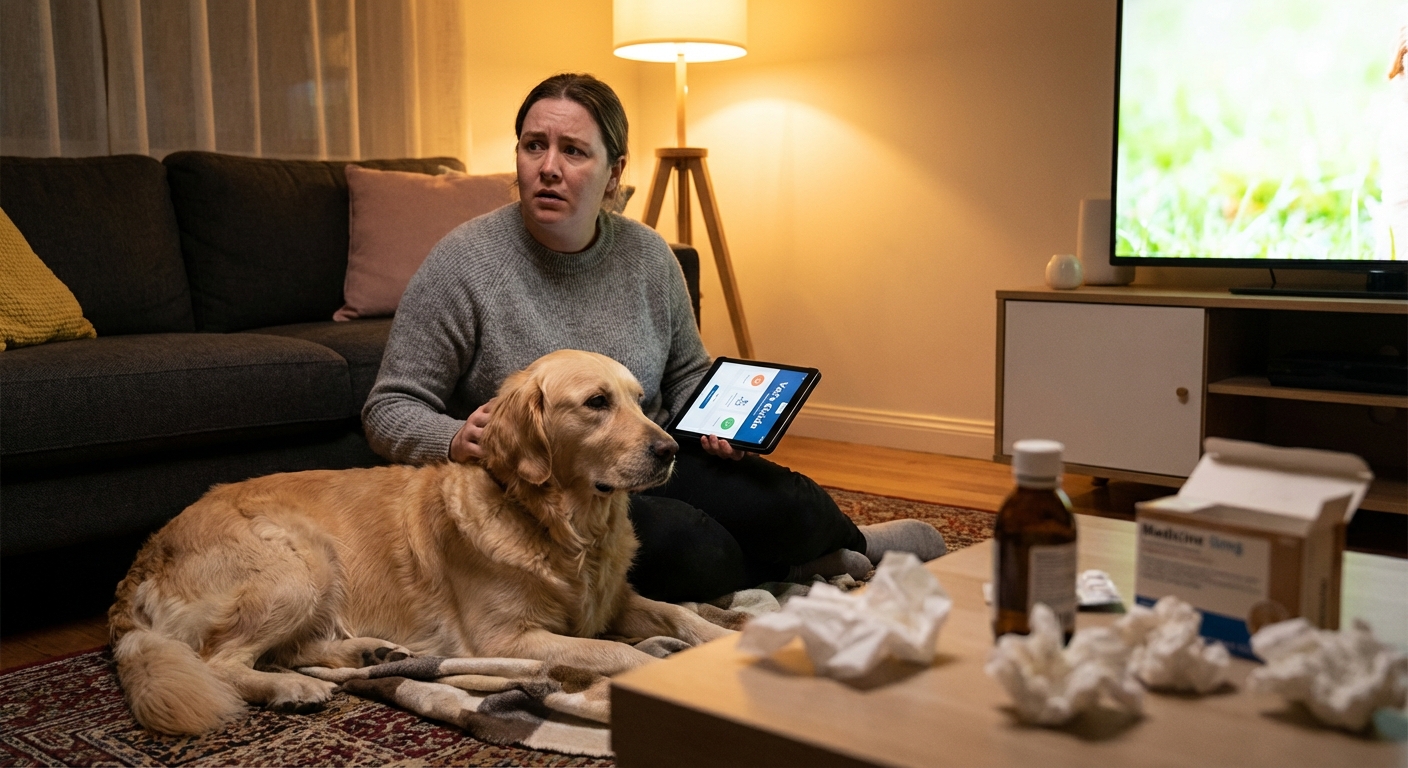
Dogs are masters at hiding pain and discomfort. By the time they show obvious signs, problems are often advanced. Knowing which symptoms are “watch and wait” and which are “call the vet now” is one of the most valuable skills you can develop as a dog owner.
Introduction
This guide walks through common signs veterinarians see every day, with breed-specific notes and clear advice on what to do next.
1. The Subtle Signs Vets Wish Owners Noticed Earlier
Changes in behavior or mood
Red flags:
- Suddenly clingy or unusually withdrawn.
- Growling when touched or picked up.
- Sleeping much more or much less.
These can signal pain, anxiety, or illness. Herding and guarding breeds (e.g., German Shepherds, Malinois, Rottweilers) may show very slight changes before anything obvious appears—pay attention.
Slowing down is not just “getting old”
- Hesitating on stairs.
- Struggling to jump into the car or onto the couch.
- Stiffness after rest.
Often this is arthritis, which is treatable. Large breeds and Dachshund-type dogs are particularly at risk.
2. Eating and Drinking: Your Daily Health Barometer
Appetite changes
- Normal:
- Occasional skipped meal in a dog who otherwise acts bright and normal, especially in hot weather or after a big day.
- Call your vet if:
- No food for 24 hours (or 12 hours in puppies and toy breeds).
- Appetite is off plus vomiting, diarrhea, or lethargy.
Toy breeds (Chihuahuas, Yorkies) can develop low blood sugar quickly if they skip meals—don’t wait.
Thirst and urination
- Concerning signs:
- Drinking much more than usual.
- Having accidents indoors.
- Needing to go out multiple times in the night.
These can point to kidney disease, diabetes, Cushing’s disease, or urinary infections. In male dogs, difficulty urinating or dribbling only a few drops is an emergency.
3. Vomiting and Diarrhea: When to Worry
These are among the top reasons for vet visits—and for good reason.
Mild stomach upset
- Occasional vomit or soft stool in a dog who:
- Is still bright and active.
- Has no fever, blood, or abdominal pain.
You can often:
- Withhold food for 8–12 hours (not water).
- Then offer a bland diet (boiled chicken/turkey and rice) in small meals.
If things don’t improve within 24 hours or worsen at any time, call your vet.
Red-flag signs
- Repeated or projectile vomiting.
- Diarrhea with blood or dark, tarry stool.
- Bloated, tight belly.
- Lethargy, whining, or panting at rest.
Deep-chested breeds (Great Danes, Dobermans, Standard Poodles, Weimaraners) with a distended abdomen and unproductive retching may have bloat (GDV)—this is an immediate emergency.
Puppies with vomiting/diarrhea need prompt vet care due to risk of parvo and dehydration.
4. Breathing and Coughing: Never Ignore These
Heavy panting
- Normal after exercise or in heat.
- Concerning when at rest, especially if:
- Tongue and gums look pale or bluish.
- Your dog is restless, anxious, or can’t lie down comfortably.
Coughing
- Small breeds (Yorkies, Toy Poodles): may develop collapsing trachea—goose-honk cough that worsens with excitement.
- Senior dogs or certain breeds (Cavaliers, Dobermans, Boxers): coughing can signal heart disease.
Any new, persistent cough or labored breathing deserves a vet visit, especially for brachycephalic breeds (Pugs, Frenchies, Bulldogs) who already struggle with airflow.
5. Skin, Ears, and Paws: The Itch Factor
Itching and licking
- Constant scratching, licking paws, or chewing at skin.
- Recurrent ear infections.
These often indicate allergies, which are extremely common in Labs, Golden Retrievers, Bulldogs, and many mixed breeds.
Home remedies may bring temporary relief but rarely solve the underlying issue. Persistent scratching can lead to infections, which are more costly and uncomfortable.
Ears
- Redness, odor, brown or yellow discharge, head shaking.
Floppy-eared breeds (Cocker Spaniels, Basset Hounds) and water-lovers (Labs) are prone to ear problems. Avoid using random ear drops found online—some can damage the inner ear if the eardrum is compromised.
6. Mobility and Neurologic Signs: When Movement Changes
Limping
- Mild limp after vigorous play: monitor for 24 hours, restricted exercise.
- See your vet sooner if:
- Limp persists beyond 24–48 hours.
- Your dog won’t bear weight.
- There’s obvious swelling or severe pain.
Large breeds may have cruciate ligament tears or hip problems. Dachshunds and long-backed dogs may have spinal issues masquerading as a limp.
Neurologic red flags
- Sudden weakness or collapse.
- Walking drunkenly or knuckling paws.
- Seizures.
These are all urgent—don’t wait them out.
7. Eyes: Small Organs, Big Emergencies
Eye issues go bad fast, often in hours.
Concerning signs
- Redness or cloudiness.
- Squinting, pawing at the eye.
- Discharge that’s yellow or green.
- Suddenly enlarged or very small pupils.
Short-nosed breeds (Pugs, Shih Tzus, Boston Terriers) and long-haired breeds are prone to corneal ulcers and injuries. Any painful eye should be seen quickly.
Never use leftover human eye drops unless your vet specifically says they’re safe—some can worsen damage.
8. What’s Normal Dog Behavior (Usually)
Not every odd thing is cause for panic.
- Reverse sneezing: rapid snorting, often in small breeds; usually harmless unless very frequent.
- Dream twitching: paddling legs or quiet barks while asleep; normal REM sleep.
- Occasional grass eating: often normal, but persistent eating with vomiting should be checked.
If you’re unsure if a behavior is normal, take a clear video and show your vet.
9. A Practical Symptom Triage Checklist
When something looks off, ask:
Is my dog in visible pain? (crying out, hiding, aggressive when touched)
Is breathing affected? (fast at rest, struggling, noisy, blue/pale gums)
Are they still eating, drinking, and peeing/pooping normally?
4. How quickly did this start? (sudden vs. gradual)
Is my dog a high‑risk breed for this sign?
If pain, breathing issues, sudden drastic change, or collapse is present, treat it as an emergency.
10. How to Help Your Vet Help Your Dog
When you do call or visit, the details you give your vet can speed diagnosis and possibly save you money.
Keep a quick symptom log
Note:
- When the symptom started.
- How often it happens.
- Changes in appetite, thirst, pee/poop, energy.
- Any new foods, treats, plants, or medications.
Bring:
- Photos or videos of what you’re seeing.
- A list of all medications and supplements.
This information helps your vet prioritize which tests are truly needed.
Final Thoughts
You know your dog better than anyone. If something feels wrong, trust that instinct and involve your vet earlier rather than later. Learn the difference between normal quirks and genuine red flags, pay attention to subtle changes, and use this guide as a reference—not a replacement—for professional care.
Your vigilance, plus your vet’s expertise, is the best health team your dog could ask for.