
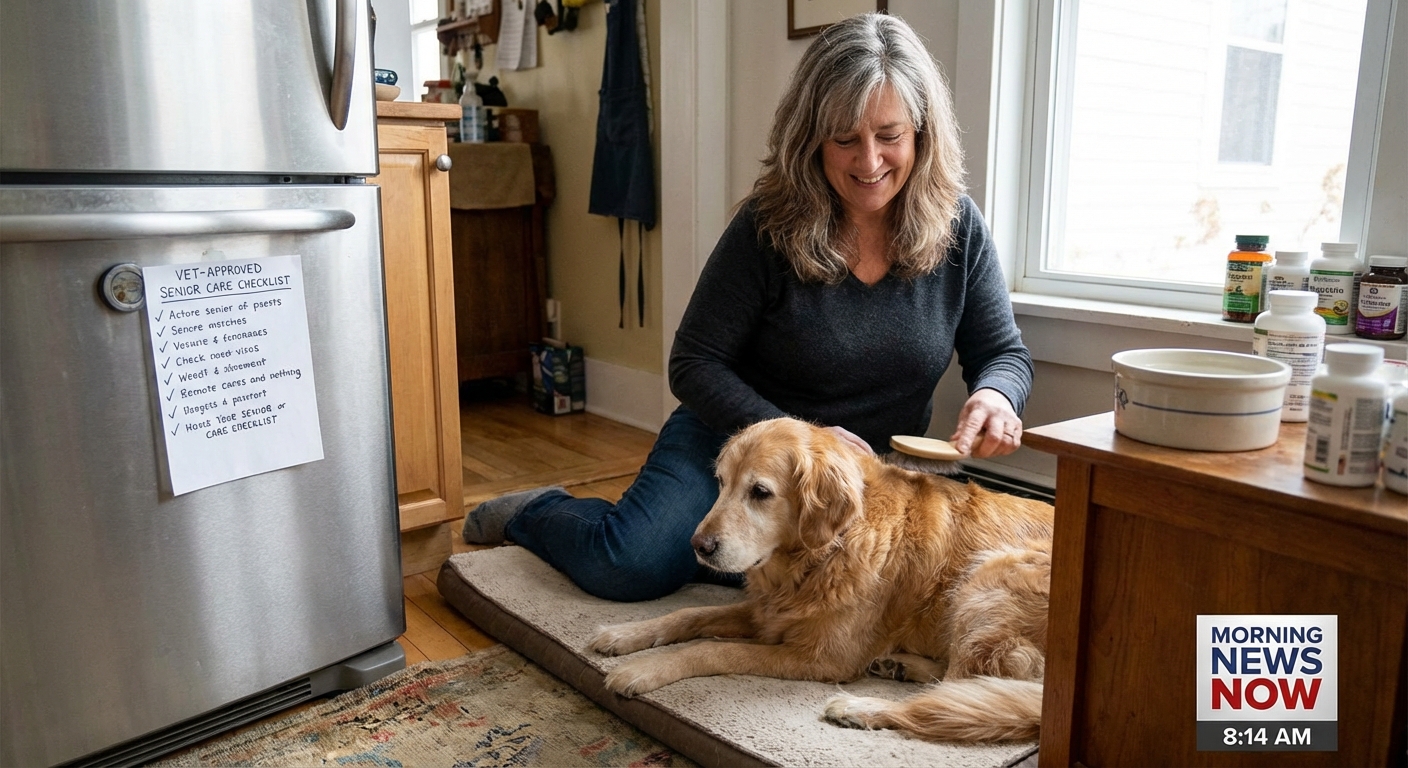
Keeping your dog healthy isn’t just about rushing to the vet when something is wrong. It’s about hundreds of tiny daily choices—what you feed, how you exercise, how you groom, and when you seek help. When done right, those choices can literally add years to your dog’s life.
Introduction
This vet-backed blueprint breaks down everyday decisions that matter most, with breed-specific tips and practical advice you can use immediately.
1. Nutrition: Building Health One Bowl at a Time
Choose a food that fits your dog, not the marketing
Veterinarians look at three core things when recommending food:
Complete and balanced (AAFCO statement on the label)
Life stage appropriate (puppy, adult, senior, all life stages)
Reputable manufacturer (nutritionists on staff, feeding trials, transparent research)
Breed and size considerations:
- Large breeds (Labradors, German Shepherds, Goldens):
- Use large-breed puppy food to reduce excessive growth and lower hip/elbow dysplasia risk.
- Keep them lean—ribs should be easily felt with a thin fat cover.
- Toy breeds (Chihuahuas, Yorkies, Pomeranians):
- Tiny stomachs, fast metabolism—small, frequent meals help prevent blood sugar drops.
- Kibble size matters; choose small-bite formulas.
- Brachycephalics (Frenchies, Pugs, Bulldogs):
- Look for easier-to-chew kibble shapes.
- Avoid obesity—it worsens breathing and joint problems.
Kibble vs. wet vs. fresh: vet-style comparison
- Kibble
- Pros: Convenient, better dental abrasion than soft foods, budget-friendly.
- Cons: Less moisture; not ideal for some dogs with urinary or kidney issues.
- Wet food
- Pros: Higher moisture; great for picky eaters and seniors with dental issues.
- Cons: Often more expensive; can contribute to plaque if dental care is ignored.
- Fresh / gently cooked
- Pros: Highly palatable, can be tailored to medical needs when guided by a vet nutritionist.
- Cons: Costly; home‑cooked diets must be properly balanced, or they can cause deficiencies.
Vet takeaway: mix-and-match can work well (e.g., kibble + a spoon of wet or fresh) as long as the overall diet stays balanced and your dog maintains a healthy weight.
2. Weight Management: The Cheapest Health Insurance
Obesity is one of the top issues vets see—and it quietly fuels arthritis, diabetes, heart disease, and breathing problems.
The quick body check vets use
Use the Body Condition Score (BCS) concept at home:
- Ribs: You should feel the ribs easily with a slight fat covering.
- Waist: Visible from above.
- Tuck: Slight abdominal tuck from the side.
If your dog is more “coffee table” than “hourglass,” it’s diet and exercise time.
Breed-specific red flags:
- Labs & Beagles: Prone to overeating; measure food with a cup, don’t “eyeball” it.
- Corgis & Dachshunds: Extra weight is extra pressure on already vulnerable spines.
- Frenchies & Pugs: Extra fat = harder breathing and more snoring, snorting, and overheating.
Vet-backed weight loss tips
- Switch to a veterinary weight management diet instead of just feeding less of a regular food—these are designed to keep dogs feeling fuller.
- Replace half the treats you give with kibble from their daily ration or low-calorie options like green beans.
- Increase activity gradually, especially in senior or flat-faced breeds.
3. Exercise: More Than Just “Letting Them Out”
Vets see behavior problems, weight gain, and joint issues all tied to poor exercise routines.
How much movement do dogs really need?
- High-energy working breeds (Border Collies, Aussies, Malinois):
- 1.5–2 hours/day of structured physical + mental work.
- Sporting breeds (Labs, Goldens, Vizslas):
- 1–1.5 hours/day of activity.
- Companion/toy breeds (Shih Tzus, Maltese, Cavies):
- 20–45 minutes/day, often broken into smaller sessions.
- Brachycephalics:
- Multiple shorter walks, watch for overheating and heavy breathing; avoid intense midday heat.
Vet-recommended exercise styles
- For joint-prone breeds (German Shepherds, Retrievers, Rottweilers):
- Focus on low-impact: swimming, controlled leash walks, gentle hills.
- Avoid repetitive high-impact jumping, especially before 18 months of age.
- For smart, easily bored dogs (Collies, Poodles, Heelers):
- Puzzle feeders, nose work, training games, and short obedience sessions are as important as walks.
4. Preventive Care: The Visits You Don’t Want to Skip
Core vet checks your dog really needs
- Annual exam (every 6 months for seniors):
- Early detection of heart murmurs, tumors, dental disease, arthritis.
- Vaccinations:
- Core vaccines (like parvo, distemper, rabies) save lives and are tailored by your vet based on lifestyle.
- Parasite control:
- Year-round heartworm prevention in most regions.
- Flea/tick protection is essential, especially for outdoor dogs.
Breed hot spots to discuss with your vet:
- Cavaliers: early heart disease screening.
- Dobermans & Boxers: heart and some genetic tests.
- Large deep-chested breeds (Great Danes, Weimaraners): risk of bloat—your vet may recommend a gastropexy (stomach tack) during spay/neuter.
5. Dental Care: Where Most Owners Fall Behind
Dental disease is one of the most common—and most ignored—problems vets see.
Vet-approved home dental tools
- Toothbrushing: gold standard.
- Use a dog-specific toothpaste (never human; xylitol is toxic).
- Even 3x/week makes a big difference.
- VOHC-approved dental chews and diets:
- Look for the VOHC (Veterinary Oral Health Council) seal on products.
- Water additives & gels:
- Helpful as an add-on but not a full replacement for brushing.
Breed focus:
- Small breeds (Yorkies, Dachshunds, Chihuahuas): notoriously bad teeth—start dental care early.
- Brachycephalics: crowded teeth make plaque buildup worse.
6. Behavior and Mental Health: A Real Vet Priority
Behavior problems are a major reason dogs are rehomed. Vets take this seriously.
Early socialization and training
- Expose your puppy to new people, dogs, sounds, and surfaces in a positive way between 8–16 weeks.
- Choose reward-based, fear-free trainers—punitive methods can worsen anxiety and aggression.
Breed snapshots:
- Guarding breeds (Rottweilers, Dobermans): extra focus on controlled socialization and impulse control.
- Herding breeds (Border Collies, Heelers): channel their instincts into jobs like agility or scent work.
When to loop your vet into behavior
- Sudden aggression, house-soiling, or fear may be linked to pain or medical issues.
- Vets can prescribe behavior meds and recommend certified behaviorists when needed.
7. Red-Flag Symptoms That Need a Vet Now
Veterinarians want you to call sooner, not later if you see:
- Repeated vomiting or diarrhea, especially with blood.
- Refusing food for more than 24 hours (12 hours in puppies or toy breeds).
- Difficulty breathing, blue/pale gums, or collapse.
- Straining to urinate, especially male dogs.
- Bloated, painful abdomen (especially in deep-chested breeds).
When in doubt, call—vet teams can tell you if it’s urgent or can wait.
8. Building a Long-Term Partnership With Your Vet
Your vet isn’t just an emergency contact; think of them as your dog’s health coach.
- Bring a list of questions to wellness visits.
- Track changes: appetite, weight, energy, water intake, bathroom habits.
- Talk honestly about budget—there’s often a range of reasonable options.
The more your vet understands your dog’s lifestyle and your priorities, the better they can guide you.
Final Thoughts
Long, happy dog lives come from consistent, not perfect, care. Feed a balanced diet, keep your dog lean and active, stay on top of preventive vet visits, and don’t ignore teeth or behavior. Combine that with breed-aware choices, and you’re giving your dog the kind of life a veterinarian would choose for their own pet.
Use this blueprint as a checklist, pick one area to improve this week, and build from there—your future senior dog will thank you.